Septic Questions, Answered Plainly
What people ask us
What should I do first when my septic tank backs up?
Stop the water. Do not run sinks, showers, dishwashers or washers. Flushing makes it worse. Then take photos of any standing water or slow drains and write down what you noticed. Photos first, then call. A local provider in our network can tell you if pumping or repair makes sense.
How often should a septic tank be pumped?
Most homes need pumping every three to five years. The right timing depends on tank size, household size and water use. A bigger family fills a tank faster. Ask a provider to check sludge levels during a visit. Keep your pumping records in one folder so you can show them later.
Is septic backup water dangerous?
Yes, it can be. Sewage carries germs. Keep kids and pets away from it. Wear gloves and boots if you must go near it. Do not mix it with cleaners. Open windows if the smell is strong. Let a provider handle cleanup, since the work needs the right gear.
How quickly can a provider come out?
It varies. Timing depends on the provider, the weather and how busy the area is. Storm season can slow things down. Many providers can respond quickly when a tank is overflowing. Request a callback to check provider availability, or send the request form and say it is urgent.
Can a heavy rainstorm cause septic problems?
Yes. Our area gets near-daily summer storms and hurricane season runs June to November. Soggy ground cannot absorb more water. A drainfield, the soil area that filters tank water, can flood and back up drains. Cut back on laundry and long showers during heavy rain.
What can I do to prevent septic trouble?
Spread out laundry loads. Fix leaky toilets. Flush only toilet paper. Keep wipes, grease and coffee grounds out of drains. Do not park cars over the drainfield. Schedule regular tank pumping and keep the receipts. Small habits protect an expensive system.
What happens during a septic pumping visit?
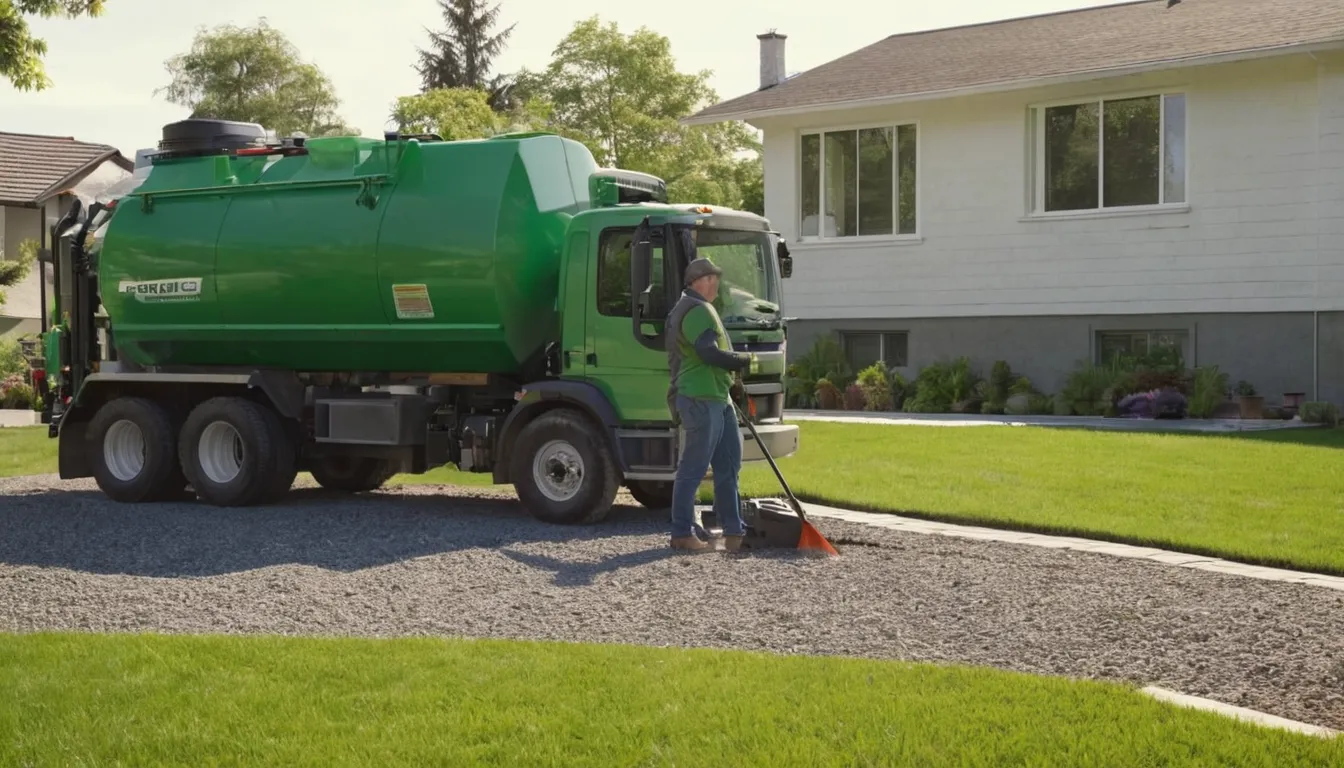
The provider finds and opens the tank lid. A truck pulls out the waste. They look at the tank and baffles for damage. They may point out problems like cracks or a failing drainfield. Ask for a written note of what they saw.
Will insurance pay for septic repair?
Maybe not. Many policies exclude wear, age and slow failure. Some policies may cover sudden damage, so check your policy. Providers can often help document damage for a claim. Keep photos, dated notes, invoices and any written quotes together. Get it in writing, and ask your insurer what proof it needs.
Get in touch
Tell us what is happening with your septic system. Send the request form or email contact@comcasnow.space, and a local provider in our network can follow up.
No obligation