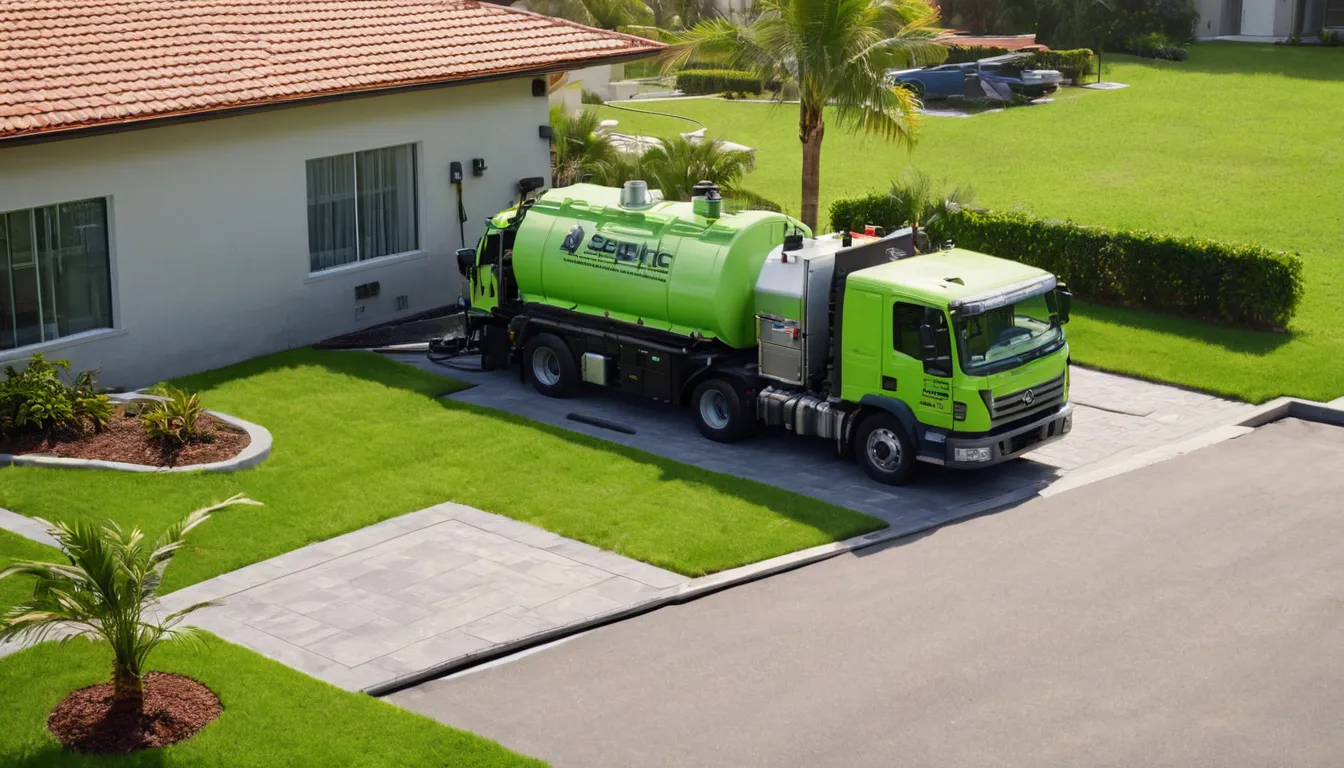
A septic tank holds solids and lets liquid flow out to the drainfield. Over time, the solids pile up. When the tank gets too full, wastewater has nowhere to go. It backs up into your home or pools in the yard.
Pumping removes that buildup. It is a routine job in septic care, and it can save a drainfield from costly damage. Comcasnow Septic is a referral service. We do not pump tanks. We connect homeowners in the Hollywood area with independent providers who do. Tell the provider what you see, share your photos, and ask for a written quote before work starts. Prices vary by tank size, access and local rules, so a clear quote helps you plan.
Tank full or backing up? Start here
Stop the water. That is step one. Every flush and every drain sends more wastewater into a tank that may have no room.
- Skip laundry, dishwasher cycles and long showers.
- Keep kids and pets away from standing sewage.
- Take photos of drains, wet ground and the tank lid area.
- Write down the date and what you see.
- Request a callback to check provider availability.
Photos first, then call. A provider can plan better when they see what you see.
Signs the tank is full
The signs are easy to miss at first. Then they get loud.
- Drains run slow in more than one room.
- Toilets gurgle or bubble.
- A sewage smell hangs near the tank or the yard.
- Grass over the tank looks wet or very green.
- Water backs up in the tub or floor drain on the bottom level of the home.
One slow sink may be a clog. Several slow drains point to the tank or the lines outside.
What emergency septic cleaning means
Emergency septic cleaning is a pumping job for a backup that is already happening. Many providers can respond quickly, but timing depends on the provider and the weather. Ask what they can offer on your day.
Tell them if sewage is inside the house. Tell them if you have a water well on the property. A provider may want to know that before they plan the job.
Why regular pumping matters
Solids settle in the tank. Scum floats on top. Only the middle layer of liquid should move out to the drainfield.
If the solids rise too high, they slip out with the liquid. They clog the soil. That damage is slow, and it is costly. Drainfield repair often costs far more than a routine pump-out.
How often should you pump?
Many households pump every three to five years. It depends on three things:
- Tank size
- Number of people in the home
- How much water and waste goes down the drain
A big family with a small tank needs it more often. A couple with a large tank may wait longer. Ask the provider to check your tank and give a schedule in writing.
What happens during a pumping visit
The visit is simple. Here is the usual order.
- The provider finds the tank and opens the lid or lids.
- A hose pulls out the liquid, scum and sludge.
- The provider checks the baffles and the inlet and outlet pipes.
- The lids go back on, and the area is cleaned up.
If you do not know where the tank is, say so. Locating it can add time and cost.
Pumping and inspections
A pumped tank is empty. That makes it easy to look at. Many providers can check for cracks, worn baffles and signs of backflow from the drainfield.
An inspection may be a separate line on the quote. Ask. If the provider sees a problem, ask for it in writing and with photos.
Buying or selling a home with a septic system
Lenders and buyers often ask for pumping records. Some want an inspection too. Rules differ by county and state.
If you sell, dig out your past receipts. If you buy, ask the seller for them. No records can mean a tank has been ignored.
Keep records you can use
A simple folder helps with quotes, resale and any insurance conversation.
- Dates of each pumping
- Provider name and the written quote
- Tank size and lid location
- Photos from before and after the visit
Some policies may cover sudden damage, but many do not cover neglect. Check your policy. Providers can often help document damage for a claim.
Caring for your system between pumpings
Small habits protect the tank.
- Spread laundry across the week.
- Fix leaking toilets and faucets.
- Flush only toilet paper and human waste.
- Keep grease, wipes and coffee grounds out of drains.
- Keep cars and heavy equipment off the tank and drainfield.
Humid weather and heavy storms
Heavy summer rain can soak the ground around a drainfield. Soggy soil drains poorly. A tank that is nearly full has less room to handle the extra load.
If a storm is coming, ease up on water use. After a big storm, watch drains and the yard for a few days.
Questions to ask the provider
- What is the total price, and what does it include?
- Will you pump through every lid or just one?
- Can you check the baffles and filter?
- Will you give me a written receipt with the tank size and the work done?
- What do you advise for my next pumping?
Get it in writing.
Ready to move forward?
Request an estimate, and a local provider in our network can follow up with next steps. Keep your photos and notes close.
What's Included
Tank pump-out
A provider removes liquid, scum and sludge from the tank so wastewater has room to flow again.
Baffle and pipe check
Many providers look at the inlet and outlet parts while the tank is empty.
Lid and access check
The provider opens the lids, notes their condition, and tells you if access needs work.
Written service record
Ask for a receipt that lists the date, tank size, work done and any problems seen.
Typical pumping costs in the U.S.
Prices vary by tank size, access, location and how full the tank is. These are typical U.S. ranges only. Always ask the provider for a written quote before work begins.
| Item | Typical range | Notes |
|---|---|---|
| Routine pumping, standard tank | $300 – $600 | Common for 1,000 to 1,250 gallon tanks |
| Large tank pumping | $450 – $900 | Bigger tanks hold more and take longer |
| Urgent backup cleaning | $500 – $1,000 | Rates may be higher for rush or storm calls |
| Inspection with pumping | $100 – $400 | Often an add-on to the pump-out |
| Riser or lid install | $300 – $800 | Makes later access easier |
| Effluent filter cleaning | $50 – $250 | Often done during the visit |
How It Works
Stop the water
Hold off on laundry, dishes and long showers. Less water in means less wastewater pushing back out.
Photos and notes
Snap drains, wet spots and the lid area. Write down dates and what you notice.
Request an estimate
Request a callback to check provider availability, or use the form. Share your photos and notes.
Review the written quote
Check the price, tank size, what is included and any add-ons before you say yes.
Why Call Comcasnow Septic
Plain Answers
Providers in our network can explain what they see in simple words, then put the price in writing.
Local Providers
You are matched with independent providers who work near you and know local soil and weather.
Records Ready
Photos and notes help providers quote more clearly and give you a trail for resale.
No Obligation
Requesting an estimate does not commit you. Compare and choose what fits your home.
Other Services
Need septic tank pumping services in Hollywood?
- Stop water use and stay calm first
- Get matched with a local provider
- Request an estimate, no obligation
- Septic pumping and repair
Septic Tank Pumping Services FAQ
How do I know if my septic tank needs pumping?
Slow drains in several rooms, gurgling toilets, bad smells and soggy yard spots are common signs. If you cannot remember the last pumping, it is probably due. Ask a provider to check.
How often should a septic tank be pumped?
Many homes need it every three to five years. Tank size, household size and water use change that. A provider can look at your tank and give you a schedule in writing.
Can I use my water while I wait for a pumping?
Cut back as much as you can. Skip laundry and long showers. Less water means less wastewater pushing into a full tank. Request a callback to check provider availability.
Get in touch
Tell us what is happening with your septic system. Send the request form or email contact@comcasnow.space, and a local provider in our network can follow up.
No obligation